Football News
No Europe, more points? Why history is on Chelsea and Spurs' side
Chelsea and Tottenham begin the season with new optimism, refreshed squads and without the potential distraction of midweek European football.
For Chelsea, it's a new manager, the British transfer record broken and a change of course with experienced players added to the youngest squad in the Premier League last season.
For Spurs, there's a new way of playing without the spectre of relegation, while Roberto De Zerbi has also benefited from a loosening of the budget.
Neither side will compete in Europe because of poor domestic campaigns last season and that means both may expect an uplift in their points tally and placing in the Premier League table.
Firstly, let's set the parameters. Sky Sports has gone back to 2008 to look at when 'big six' clubs have been playing in a UEFA competition but did not the following season.
We have then compared league points tally and finishing position across those consecutive campaigns. It's a small sample but it may provide historical context ahead of the new season.
Perhaps the most significant example of this came for Chelsea. A turbulent season in 2015/16 saw Jose Mourinho depart to be replaced by Guus Hiddink until the end of the season.
They finished 10th in the Premier League table and failed to qualify for any European competition.
The following year, Antonio Conte added 43 points to the previous campaign tally as Chelsea won the league with 93 points, seven ahead of Spurs.
The similarities are clear. A turbulent season in 2025/26 saw Enzo Maresca depart to be replaced by Liam Rosenior before Calum McFarlane took over for the end of the season. They finished 10th.
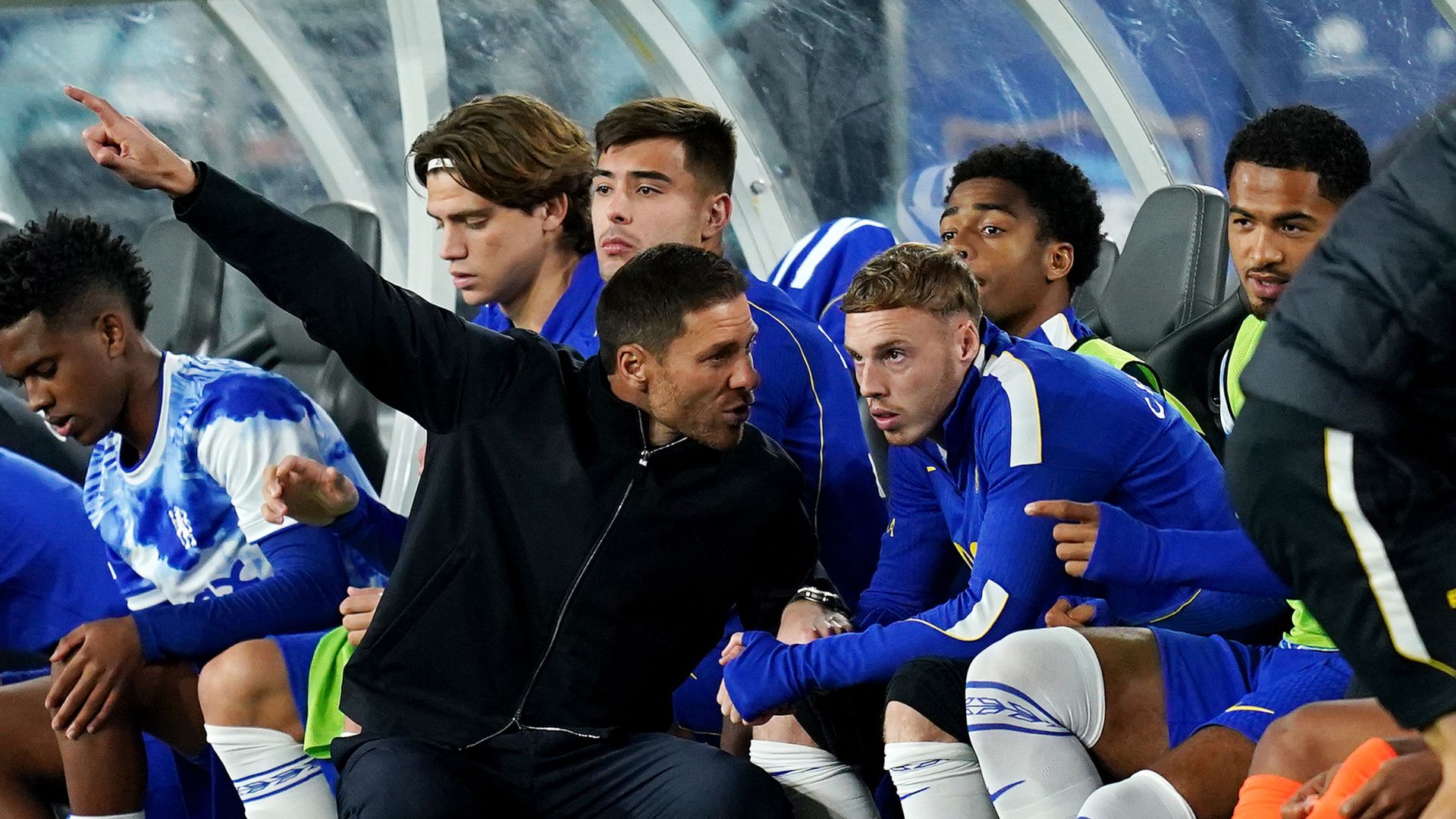
Could Xabi Alonso replicate Conte's resurgence?
So how many extra Premier League points can be expected when not playing in Europe?
Since 2008/09, a 'big six' side has gone from a season in Europe to a season without Europe 11 times and on 10 occasions the team has delivered an improved points tally and league placing, a 91 per cent success rate.
Liverpool were the only side that failed to improve their points tally and league position, dropping from 58 points and sixth to 52 points and eighth in 2011/12.
As well as under Conte, Chelsea have also been in this position under the current ownership structure when Mauricio Pochettino's side improved by 19 points to finish sixth in 2023/24. One place ahead of them were rivals Spurs under Ange Postecoglou.
In 2022/23, the season that Conte left, Spurs reached the round of 16 in the Champions League but Premier League form suffered with an eighth-placed finish on 60 points.
The following year, without any European competition, they improved to a fifth-place finish on 66 points.
Looking across the 11 sequences that fit our parameters, the average improvement in the non-European season was 16 points. Teams climbed, on average, nearly five places in the table with seven of the 11 following seasons ending in a top-four finish.
The lack of European football can only be one factor in the uptick in these performance levels but it's certainly worthy of note.
In general, you would expect natural improvement for these clubs anyway after an uncharacteristically poor domestic season. Managerial changes and significant spending on players are also contributing factors to better outcomes.
But this season, Chelsea and Spurs can expect fewer competitive games, meaning there is less need for rotation. There will be more complete training weeks for Alonso and De Zerbi and fewer quick turnarounds between midweek and weekend matches.
So does all this put Chelsea in the title hunt this season?
Chelsea's 'true' level is difficult to pinpoint but one way of looking at them is in the first half of last season under Enzo Maresca. They had 30 points from 19 games when the Italian moved on and towards the end of his time in charge were not running hot, registering just one win in his final seven games.
Maresca's side were tracking towards a 60-point campaign. That may have been good enough to qualify for the Champions League. This season, Alonso could feel the extra boost on top from not being in European competition.
It would be reductive to place any improvement this season solely on playing fewer games. If there is a title challenge from Chelsea, the explanation for it will include Alonso's coaching, the signing of experienced players to help the squad, the impact of Morgan Rogers or an elevation in performance from players like Cole Palmer.
While for Spurs it could be De Zerbi's system, or James Maddison's return to fitness or a major impact from the new defenders and midfielders signed.
Manchester United only played 40 games last season. That was seen as a contributing factor to them dramatically improving their final position and ending in the Champions League places.
If history is any guide, Chelsea and Spurs may find there is an upside to missing out on Europe after all.
Source: Sky Sports · View original article ↗
This article has been sourced from an external provider and does not represent the views or opinions of AccaMate.