AccaMate logo
FIFA World Cup 2026 logo

FIFA World Cup

2026 — The Tournament Of A Lifetime

11 June – 19 July 2026

Host nations

Canada flagCanada
Mexico flagMexico
USA flagUSA

Countdown to World Cup

--Days
:
--Hrs
:
--Mins
:
--Secs

World Cup News

The latest stories, squad announcements, build-up coverage and tournament analysis — direct from FIFA.

Elliot Anderson brings the noise and promise of England mainstay amid City transfer talk

World Cup News

Elliot Anderson brings the noise and promise of England mainstay amid City transfer talk

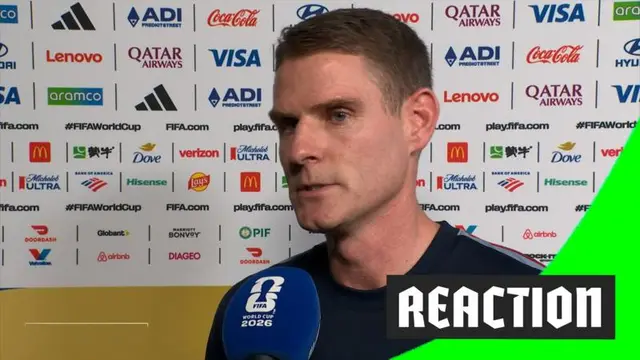
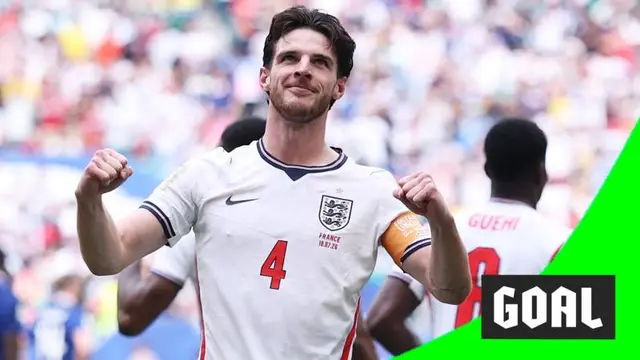
Midfielder’s meteoric rise could enter different stratosphere if he inspires World Cup glory and seals record move The numbers around Elliot Anderson are rising fast – to extraordinary levels. A little like the player himself. At the beginning of last week, when he flew to Florida with the England squad for their pre-World Cup camp, he was the Nottingham Forest midfielder who had finished a gruelling club season, which featured four managers, on the right side of the relegation line. The 23-year-old had established himself as a first choice in Thomas Tuchel’s England team over the course of the campaign, albeit he remained in single digits for caps. There was a lot of noise about Anderson on the transfer market. The richness of the promise was there for all to see. Then Manchester City made their opening bid of £80m and the conversation around him changed significantly; the perceptions, as well. This kind of cash tends to make that happen. Forest rejected it and indicated that, if they were to sell, the fee would have to include nine figures. Another sharp intake of breath. But then City went again, as Anderson prepared to play in England’s final warm-up game before the World Cup against Costa Rica in Orlando on Wednesday, offering £106m plus £16m in add-ons. The record fee for a British player is the £105m Arsenal paid West Ham in 2023 for Declan Rice – Anderson’s England partner. Rice is now a Premier League title-winning superstar. The record fee paid by a British club is the £125m Liverpool gave to Newcastle for Alexander Isak last summer. The Forest chair, Evangelos Marinakis, is understood to want a basic fee of at least that for Anderson. Who would bet against him getting it? Or, certainly, who would bet against City getting a deal done? They appear to be pot committed, to borrow the poker term. It feels as if some fans are struggling to reconcile City’s power play and the vast sums involved with the reality that Anderson has had two seasons as a Premier League regular with Forest. Before that, he made 13 starts in the competition for his boyhood club, Newcastle. Never mind that his performance levels have been excellent for Forest. He was instrumental for them in 2024-25 as they reached the FA Cup semi-final and almost qualified for the Champions League. A part of it is that Anderson’s rise has been so meteoric as to defy comprehension. Even he has given the impression that he is battling to get his head around it. “It’s been crazy, it has happened so quickly,” he said at the end of March on England duty. And that was before the latest developments. Everybody needs to wise up. As Tuchel did when he went to watch Anderson in the European Under-21 Championship final last June when he ran the show in England’s victory against Germany. Tuchel left knowing he had the answer to his problem position of No 6; the player to free Rice up as the No 8. Tuchel called up Anderson last September and has counted on him ever since. Anderson is primed to enter a different stratosphere. Is it a lot to handle? Yes. Is he handling it? Also, yes. There were two ways of assessing Anderson’s reaction to the City bid in the Costa Rica game. Either he wanted to show them he was worth it. Or the knowledge that they knew he was worth it boosted him. Maybe it was a bit of both. What Tuchel and the England fans present saw was a complete midfield display. Costa Rica, who have not qualified for the World Cup, were close to the beaches; not quite on them yet. They played as if they wished they were. Anderson stamped all over the caveat. He was bright and urgent with the ball, picking it up and moving it securely, sometimes incisively. He set the tempo with a game-high 74 successful passes; the next best on the list was John Stones with 49. Anderson also had the most touches with 94; Nico O’Reilly was second with 56. Anderson’s mobility and comfort in possession come from his younger days when he played as a No 10 or winger and what stands out are the economy of his touches, the sharpness of his turns. Then there is his work without the ball. It is Anderson’s basic toughness, as much as anything else. Costa Rica fouled him five times and there was the moment on 36 minutes when he was involved in a shuddering clash of heads with Orlando Galo. There were no histrionics; only a desire to bounce straight back up. It advertised a remorselessness. Anderson made three tackles, had seven ball recoveries and won eight of his nine duels. When Costa Rica had their only flicker of an opening after a loose pass by the England goalkeeper, Jordan Pickford, there was an inevitability about Anderson being there to block Galo’s shot. “He’s a top player, there’s nothing more to say,” Tuchel said. “He’s the full package.” Tuchel is relaxed about transfer negotiations involving his players going on at the World Cup. He knows it is a fact of the game and wants to enable them rather than suppress them. The Football Association have medics on hand who can carry out medicals, if needed. Tuchel would prefer there were no talks on the day before matches and on matchdays. “Elliot seems not affected [by City’s interest],” Tuchel said. “I won’t speak to him about it but my assistant coach spoke with him. It should push him because it’s proof of what he’s capable to do and at what level he can perform. At the moment it seems like a push for him.” How must Newcastle be feeling after they sacrificed Anderson on the altar of Premier League profitability and sustainability rules? And not only because there was no sell-on clause in the £35m deal that took him to Forest in 2024. Or Scotland, for whom Anderson played from under-16 to under-21 level? He was eligible for them through his grandmother only to be drawn to England, the county of his birth. It was a close-run thing. Anderson joined up with the Scotland senior squad for the first time in September 2023 only to pull out after one training session. He needed more time to think before committing himself, having come to realise that an England career may be possible. He got his first under-21 cap for them a year later. Tuchel argued that if Anderson signed for City, it would remain business as usual. “He’s not a new player,” he said. “People will try to hang around his neck this price but in reality nothing changes. He just changes the club. That’s the rules of the game.” Tuchel was kidding nobody. Anderson is headed for the stars. All people can do is follow.

FIFA.com11 Jun 2026
England over-75s captain relishing Germany clash

World Cup News

England over-75s captain relishing Germany clash

ShareSaveAdd as preferred on GoogleDan WareingChannel IslandsEngland's over-75s captain has described an upcoming match marking the anniversary of the 1966 World Cup final as the biggest of his career. Geoff Martel, 81, will lead the Silver Lions out at Oldham Athletic's Boundary Park stadium on 30 July to face Germany. Not only will it mark the 60th anniversary of England's 4-2 victory at Wembley, but it comes nine months on from the Veterans World Cup, where Martel's team finished runners up to Germany. Martel, who is from Guernsey, said he was confident his side would "give a good account" of themselves. "There's still a lot of things that we've got to do before the match, like make sure we're fully fit," Martel told BBC Radio Guernsey. "We played them two years ago down in Cardiff and we had a World Cup down there and we beat them semi finals. "Then when we played them out in Japan they were much better because it turns out they had several ex-Bundesliga players in their side." Martel said the Germans would be "wanting to cause an upset" and he had already been in touch with their manager. "We had a Zoom call with him and you can tell they are really up for it and, like me, he is considering this the biggest game he's been involved with." While it will be a full match of 90 minutes, Martel said it would not compare to the physical demands the squads getting ready to play the 2026 World Cup are set to face. "Tournament football is unbelievable difficult," he said. "They are fortunate because we don't have the physios and people working in the background that they do, but even then it's still very hard." He added: "We've been fortunate because we've been able to have the players together and I think we've got a very good squad." Follow BBC Guernsey on X and Facebook and Instagram . Send your story ideas to channel.islands@bbc.co.uk .

FIFA.com11 Jun 2026
What history tells us about Scotland's World Cup openers

World Cup News

What history tells us about Scotland's World Cup openers

There is evidence to suggest why Scotland fans are heading into a World Cup opener against an 83rd-ranked nation with an equal sense of trepidation and excitement. Just say the names of Costa Rica or Peru and you will see a shudder go down the spine of any experienced member of the Tartan Army. With Sunday's (02:00 BST) encounter with Haiti ending a 28-year absence from football's grandest stage, BBC Scotland has been digging through the archives. So what does history tell us about the Scots' World Cup curtain-raisers? The rise and rise of 'Meatball' McGinn Goals from Peter Lorimer and Joe Jordan ensured a 2-0 success over minnows Zaire in West Germany - a result the Tartan Army would certainly sign up for this weekend. But it was a scoreline Willie Ormond's men ultimately went on to regret. Draws with Brazil and Yugoslavia meant Scotland failed to progress on goal difference. An unbeaten three-game sequence of one win and two draws would almost guarantee qualification for the knockouts under the more favourable current-day format. Not back then, though. "In hindsight we should have tried to score more goals," said former striker Jordan. "Looking at the big picture, it was a mistake. There was a bit of naivety in it. If that game had been our second or third, the scoreline might have been a little different." Four years later, manager Ally McLeod had the nation believing Scotland would win the 1978 World Cup. A squad loaded with top-level quality travelled to Argentina with almost 60 individual medals in its ranks - from champions of Scotland and England to European Cup and Uefa Cup winners. But next to no research was done on the opposition, with McLeod infamously turning down an offer of an all-expenses-paid scouting trip to Peru. The Peruvians beat Scotland 3-1 in their opening game in Cordoba, contributing to another early exit as the draw with Iran and memorable victory over the Netherlands that followed were not enough. Rowing boats & regrets - Scotland's undefeated 1974 World Cup campaign Scotland took care of bottom seeds New Zealand in their opener in Seville, with goals from Sir Kenny Dalglish, John Robertson, Steve Archibald and a John Wark double. It was the two they conceded that proved crucial, combined with a heavy 4-1 defeat to Brazil and a draw with the Soviet Union. Again, a repeat of those results in the US this month would very likely be enough for the Scots to make a historic progression to the knockouts, but the World Cup format was far more unforgiving in the past. Four years on and it was Sir Alex Ferguson who led the nation to Mexico. It was home time at the first hurdle again, though. Denmark, one of the best sides in Europe, awaited them in match one. Scotland were left to rue their profligacy as Preben Elkjaer Larsen's goal gave the Danes victory, before a defeat to West Germany and a draw with Uruguay. "I always thought the first game was the one," said goalkeeper Alan Rough. "We had to take something, especially with West Germany next." World Cup 1982: Stein, Narey, Brazil & being a cartoon character Against a Scotland side making their fifth consecutive appearance, the debutants made their mark, with Juan Arnoldo Cayasso's goal early in the second half deciding the game. "I remember the next day there was a headline somewhere of 'Stop the world, we want to get off' and it was all about how I should be sacked," said former head coach Andy Roxburgh. Scotland responded with victory over Sweden, but a narrow defeat to Brazil had them heading for the departure lounge. It was the Brazilians they would face in their next World Cup outing, opening the 1998 World Cup in France. Against a star-studded side, the Scots drew level through John Collins' penalty, but a slapstick own goal from Tom Boyd denied Craig Brown's men a precious point. A draw with Norway and a 3-0 defeat to Morocco came next. Of course, Brazil and Morocco feature in Scotland's 2026 World Cup group, 28 years on from their last showing on football's grandest stage. Steve Clarke will hope it is not a case of deja vu. But first, there is an opportunity to make a mark against Haiti. The Tartan Army have been scarred by past failures against favourable opposition, but cautious optimism is building that perhaps this time could be different. Everything you need to know about the World Cup

FIFA.com11 Jun 2026
England World Cup 2026 team guide

World Cup News

England World Cup 2026 team guide

Jude Bellingham is not guaranteed a starting place for England this summer. Photograph: David Buono/Action Plus/ShutterstockThomas Tuchel wants to ‘put a second star on the shirt’ after making big selection calls, but what will be Jude Bellingham’s role? This article is part of the Guardian’s 2026 World Cup Experts’ Network, a cooperation between some of the best media organisations from the 48 countries who qualified. theguardian.com is running previews from three countries each day in the run-up to the tournament kicking off on 11 June. Qualifying was a doddle. England cruised through it, recording eight wins from eight games, 22 goals scored and none conceded, but the opposition was hardly taxing. As so often the question is how the Three Lions will fare when they come up against the very best in a knockout tie. Over to Thomas Tuchel, then. Brought in after a series of near misses under Gareth Southgate, the German has been tasked with getting England over the line, ending 60 years of hurt for the men’s side. The aim, Tuchel said at his unveiling in October 2024, is to “to try and put a second star on the shirt”. But the former Chelsea manager is realistic about his side’s hopes this summer. “We can’t be one of the favourites as we haven’t won it for so long,” Tuchel said this week. “There are proven winners within the tournament. These are the favourites.” It has not been the easiest build. There have been some missteps under Tuchel – performances against Andorra and Senegal last summer drew a negative response – but there have been some fine outings. England are good when they have a shared purpose. Tuchel has talked about building a brotherhood. He has looked to implement the right culture in the camp and he has a talented squad. He made some bold calls with his squad, omitting Phil Foden, Cole Palmer and Trent Alexander-Arnold but taking Ivan Toney, and appears to have found clarity. Expect England to line up in a 4-2-3-1 system. They have enviable attacking options, a host of No 10s and Declan Rice, one of the best midfielders in the world. There are, however, question marks over the defensive options and, as ever, fitness concerns over key players. As for Tuchel’s relationship with Jude Bellingham, that will need to be handled carefully. If the Real Madrid midfielder is in the mood, he could be the player who helps England lift the trophy. It was important that Bellingham played well as England eased to warm-up wins over New Zealand and Costa Rica in Florida. “This will hopefully be an amazing experience,” Tuchel said after beating Costa Rica. A German managing England? It might be jarring to some, but the thing about Thomas Tuchel is that he is an anglophile. He gets the culture and he is one of the best managers in the world. Tuchel won league titles with Bayern Munich and Paris Saint-Germain, while winning the Champions League with Chelsea in 2021 showcased his mastery of knockout football. However, this is his first foray into international football. Southgate was outstanding at creating the right environment during a tournament. Can Tuchel, who recently extended his contract through to Euro 2028, make sure that the shirt does not feel heavy? To think that there were doubts over Harry Kane ’s England future when he was substituted during the defeat against Spain in the final of Euro 2024. The striker laboured through that tournament, his performances those of a player who was clearly not at 100%, but he remains the team’s inspiration and leader. Quite simply, England do not function without their captain and record goalscorer. Tuchel needs Kane to be fresh. The Bayern Munich striker has had another prolific season and a strong World Cup will put him in contention for the Ballon d’Or. England are not short of No 10s but the one who has caught the eye under Tuchel is Morgan Rogers . The Aston Villa attacker produced a breakout display last September in the 5-0 win against Serbia in Belgrade, and is valued for his work on and off the ball. Tuchel loves Rogers’s counterpressing. It could mean the 23-year-old, a self-confessed football obsessive, is above players such as Bellingham and Eberechi Eze in the pecking order. Big names to keep out, but Rogers is confident. “The way I was as a kid, I still think I’m that person now, wanting to show my freedom in the way I play,” he says. Declan and who? For so long the question was who should play next to Rice in midfield. Southgate could not come up with the answer after Kalvin Phillips drifted from view, but Tuchel has Elliot Anderson . The Nottingham Forest midfielder is quite the find. He has gone from strength to strength since making his senior debut last September. On the eve of the tournament Forest turned down a £122m bid from Manchester City and Anderson is already a certain starter for England. “He is one of the best midfielders in the Premier League,” Tuchel says. “That’s why he is with us and starting for us. He is a very complete and mobile midfielder.” The royal family have recently been in town so perhaps President Trump will be belting out God Save The King before England games. And while Trump’s relations with the UK government are decidedly frosty at the moment, do not expect the FA to wade into politics: the English governing body stayed out of it when the last World Cup was held in Qatar. The focus is likely to remain on football. The FA has not been hugely vocal when it comes to defending fans over ticket prices.

FIFA.com11 Jun 2026
Fan at 1966 World Cup win follows England to US

World Cup News

Fan at 1966 World Cup win follows England to US

ShareSaveAdd as preferred on GoogleStephen BrownandDanielle Malgwi,South EastA football supporter who attended the 1966 World Cup final has travelled to the US in the hope of seeing England win this year's tournament. Dave Thompson, from Canterbury in Kent, has seen the Three Lions play roughly 150 matches over the last 60 years. Thompson, who was five years old when he saw England defeat West Germany at Wembley Stadium in 1966, said he believed England could win it again in 2026. But having attended matches consistently since 2010, Thompson said that this tournament would be his last due to rising costs. "It's not for fans anymore. This tournament has proved it," Thompson told BBC Radio Kent. "The ticket prices have put a lot of people off. They're avoiding the friendlies as well, so there's not been a great deal of atmosphere." In December, Fifa introduced a small number of "more affordable" $60 (£45) tickets for all 104 matches at the 2026 World Cup following criticism of its pricing structure for the tournament. Since then, the sport governing body's practices are being investigated by the attorney generals of New York and New Jersey for "artificially inflating prices" and "misleading fans". Thompson said that his trip, including travel and tickets, had cost him about £20,000. "I've been going to the tournaments since 2010, so I didn't want to stop," he said. He added that he did not want to "tempt fate" by not attending this year. Thompson said that he will only be attending England matches due to the cost, adding that he has tickets for the sides group stage matches so far. "It's not worth going to watch another team when you've got to pay five or six hundred dollars to watch a team that you're not really following," he said. Follow BBC Kent on Facebook , X , and Instagram , and listen to BBC Radio Kent on Sounds . Send your story ideas to southeasttoday@bbc.co.uk or WhatsApp us on 08081 002250.

FIFA.com11 Jun 2026
The rise and rise of 'Meatball' McGinn

World Cup News

The rise and rise of 'Meatball' McGinn

The rise and rise of 'Meatball' McGinn In the days following Unai Emery's appointment as Aston Villa head coach, captain John McGinn was north of the border catching up with some old friends. Some classic west of Scotland pessimism had set in. "He's going to think 'Who's this wee Scottish guy?'" he told his mates in a panic, fearing the worst about his place in how the Spaniard would reshape Villa. If he was to replay that scene in his head almost four years on, he would surely find it difficult not to chuckle at his own expense. McGinn lifted Villa's first major silverware in 30 years last month and the 31-year-old has just enjoyed his highest-scoring season at club level. It is the latest in a line of success stories McGinn has been integral to. At St Mirren he was part of their first cup triumph in 26 years while he played the full 90 minutes when Hibernian ended their 114-year wait for another Scottish Cup. He will feature in his nation's first men's World Cup match in 28 years on Sunday (02:00 BST) after playing a key role in back-to-back European Championship qualifications. Whatever jersey he has on, success seems to follow the all-action midfielder. It feels more like a direct relationship than pure coincidence. Defying the odds and hitting new heights has been the tale of a relentless ascent - although it is one that was a millimetre away from cruelly ending before it had really started. BBC Scotland charts the rise of a modern-day Scotland great, from Clydebank council pitches to football's grandest stage. Set up BBC Sport website and app to show you more Scotland this World Cup The chances of a youngster in the UK achieving their dream of making it in the professional game are lower than 1%, so it is quite something for McGinn and his two older brothers to have all managed it. Paul, a former postman, played at Queen's Park alongside Scotland internationals Andy Robertson and Lawrence Shankland. He is now captain of a thriving Motherwell side. His other older brother, Stephen, who also played for St Mirren, seems destined for a successful coaching career given the impressive work he has done as part of Falkirk's backroom team. His late grandfather, Jack, was Scottish FA president and Celtic chairman. His mum, Mary, taught her youngest son at school and even coached his school team. Born and raised in a working-class area on the outskirts of Glasgow, McGinn takes pride in the fact his rise has taken a different path from many Premier League players. He buzzed about the streets of Clydebank while his brothers tried to make their way in the game. 'No ball games' signs posed a problem - as they did for many 90s kids on west of Scotland council estates - but McGinn chose to rebel. Well, his mum did. After pestering the local council into submission, two sets of goals were hammered into a nearby patch of gravel where the McGinn brothers, extended family and friends could run wild. Without that persistence from mum, who knows where the careers of her sons would have gone, if anywhere. McGinn spent day and night dreaming of becoming Celtic great Henrik Larsson on that red ash pitch. Then it became Shunsuke Nakamura. But when Stephen broke into the St Mirren side, John had a new hero. Within minutes of the gates opening in Paisley, McGinn was sitting front row to see his big brother warm up. Watching those experiences drove him and, within a few years, he was in St Mirren's first team. "He was a revelation," said former manager Danny Lennon. "He wasn't the biggest, but he had the heart of a lion," added the ex-Buddies boss, who led the Paisley club to their 2013 League Cup triumph. McGinn thought his career had peaked that night, which ended with the youngster being carried out of a Glasgow pub and bundled into a taxi home. The idea that McGinn's career had hit its ceiling could not have been further off the mark, but he was lucky to have one at all two years later. A training-ground prank went horribly wrong when St Mirren team-mate Steven Thompson injured McGinn by piercing his thigh with a spiked pole. McGinn revealed he would have "bled out in a minute" had he been punctured a millimetre closer to his femoral artery. A breakthrough spell at St Mirren came to an end in 2015, and he joined a Hibs side then in the second tier after potential moves to Wigan and Houston Dynamo failed to materialise. He experienced Scottish Cup glory with Alan Stubbs, but his game went to a new level under Neil Lennon, who described McGinn as "the fulcrum" of his team. But the former Celtic boss knew how to give his star man tough love. Boasting the reputation of the Championship's top performer, Lennon told McGinn "you're not even the best player in your house" in the aftermath of a defeat to brother Stephen's St Mirren. He was later fined for taking a shortcut home by leaving Paisley with his family rather than travelling on the team bus back to Leith. McGinn was at a McDonald's drive-through when a furious Lennon phoned. With Stephen in the car with him, McGinn was told it was the "closest you've got to your brother all night". Kevin Bridges: In Search of the Beautiful Game Together with Scott Allan and Dylan McGeouch, Lennon's Hibs midfield became one of the most formidable in the country after their promotion back to the top flight. "Some of the games there would be boys on his shoulders trying to get the ball off him and he would never lose it," his former team-mate Allan tells BBC Scotland. "I was expecting him to be all action and a wee bit loose with the ball, but I was most surprised about how good he was technically. "That's not mentioned enough, but that's because you always see his fight and drive." In post-match father-son debriefs, Allan's dad had no problem letting his boy know he had underperformed. With McGinn, however, it was different, mainly because it rarely happened. "My dad would always say to me: 'John can't have a bad game, he's always involved'," Allan recalls. "And the way he uses his bum to protect the ball... I show my own son that when he's playing football. It's such a bizarre thing to say, but it's such a crucial tool." That ability to eliminate players using his backside to repel opposition players has become a trademark move. His physique had been questioned and he has conceded he is "no stick man" and "will never be ripped to shreds". He just wanted to be noticed for using his body "in a unique way" - and Villa did, paying £2.75m for his services as Celtic failed to stump up the cash. That now looks a colossal misstep from the Scottish champions, given the bargain McGinn has proved to be south of the border. Previous imageNext imageSlide 1 of 3, John McGinn, McGinn has been part of unprecedented success at each of his clubs, most recently winning the Europa League with VillaEnd of image galleryA crunching tackle at the Holte End against Wigan on his Villa debut endeared him to the support. His first goal, a wonder strike against Sheffield Wednesday, came a month later. He ended his first campaign in Birmingham by scoring the winner in the Championship play-off final against Derby at Wembley. It is poignant that the lad responsible for taking Villa back to the Premier League in 2019 went on to lift the Europa League as captain seven years later. He has become a legend at the club with more still to give, but it is his bubbly, larger-than-life character that sets him apart from most. When revealing to BBC Sport in 2022 why he was given the nickname 'Meatball', he said it was born from him having a "big, round head" with a buzzcut during his days at St Mirren. Last week, he was comfortable admitting to BBC Scotland that he had packed a European plug adapter for his summer trip to the US. McGinn does not take himself too seriously - possibly because he knows if he did that he would be brought crashing back down to earth by his grounded family and friends. "He's the same person he is now as he was back then," Allan adds. "That's a huge credit to himself and his parents." McGinn was called up and capped for his nation when playing in Scotland's second tier. That is rare. His ability helped earn him that, of course, but it was an off-field moment that Gordon Strachan noticed when spying on the Under-21s that told the head coach he was right for his squad. With the kit man struggling to remove equipment from the team bus, McGinn was the only player to offer a helping hand as his team-mates headed straight for the training pitch. "That told me right away what he is about - he looks after people," Strachan said. McGinn has recently received praise from fans for voicing concerns to Kevin Bridges about World Cup ticket and travel costs in a new BBC documentary. Those issues were brought up as McGinn waited for his full Scottish breakfast - with an "extra tattie scone" - being cooked up in his local Clydebank cafe. After 10 years, 86 caps and 10 goals, there is a scenario in which this man of the people retires as Scotland's men's leading scorer and most-capped player. He is 16 appearances off the record set by Sir Kenny Dalglish, whose joint landmark goals tally with Denis Law is 10 better than McGinn's. The problem he has as far as the caps milestone is concerned, is his captain Andy Robertson is above him and showing no signs of exiting the national side. Robertson's rise has rightly been given the fairytale treatment, but McGinn's is on a similar scale. McGinn is 31 but his story still has pages to fill. Another Champions League campaign is on the way in a Villa side buoyed by long-awaited silverware. First, however, there is a World Cup to savour. McGinn is a Harry Potter fanatic, but there is no fiction about the story of the boy from Clydebank who will in the coming weeks attempt to sprinkle more magic on the career of his dreams. Everything you need to know about the World Cup

FIFA.com11 Jun 2026
Canadian soccer, finally on stable ground, tightens in anticipation of a historic World Cup

World Cup News

Canadian soccer, finally on stable ground, tightens in anticipation of a historic World Cup

Jesse Marsch leads a hopeful squad aiming to capture the nation’s attention after a false start last time out Canada’s best had about as close to a day off as you get in Jesse Marsch’s world Wednesday morning. The national team have taken over the training campus of Toronto FC in the city’s northern crust and Matchday-minus-2 was a light session, jogging pace mostly, players doing some limbering, and a lot of looking. The place is pancake flat, as you’d expect from a disused airport, so looming over the whole area is Rogers Stadium, an outdoor concert venue which rose out of the runway and holds 52,000 people ...for now. Noted poet of life and football Liam Gallagher helped inaugurate it last August when he saluted fans in “those stupid fucking stands up there that were built about 30 fucking minutes ago”. Rogers Stadium is temporary. The 17,000 seats added to BMO Field downtown to turn it into Toronto Stadium for its World Cup moment this summer are, also, temporary. The getting has been awfully good for the scaffolding men and rivet women of Canada in recent times. What the football public here crave now and over the next five and a half weeks is something permanent. A legacy which can last. Marsch and his players do too, desperately so. The most gifted squad Canada have ever assembled sometimes talk about having already turned their homeland into a football country. At others they reference it as an ambition. The truth is somewhere in the middle – a work in progress, one which maybe feels closer to its start than finish. Which makes Friday afternoon’s World Cup opener, and all that follows, so precious. Four years ago Canada’s men made their World Cup return after nearly four decades and it was the most fleeting of things. They were the first country sent home, the only team to join hosts Qatar in putting a zero on the board. John Herdman’s claim that he’d already turned Canada into a football nation looked as naive as his tactics proved on the biggest stage. “Ahhhh. That was one of our biggest regrets in Qatar,” defender Alistair Johnston told the Guardian this week. “We knew the whole country was right there. We couldn’t give them something to really grasp on to and ride the coat tails of. This summer now, we’re so much more experienced, less naive, less deer in the headlights. We’re ready for this moment and, this time, instead of having to feel that passion halfway around the world, it’s going to be right there in the stands, in the streets.” Johnston and his teammates felt it up close on Monday with a raucous community training session, hundreds of schoolchildren creating one hell of a din. They were loudest when Canada’s captain came by, “Phonzieee, Phonzieee!” the cry. Alphonso Davies is the face of this golden generation, a prolific winner with Bayern Munich. In Qatar he scored Canada’s first World Cup goal, the liftoff moment until Croatia scored four in reply. Along with Celtic’s Johnston, Jonathan David at Juventus, Tajon Buchanan and Tani Oluwaseyi at Villarreal, Ismaël Koné at Sassuolo and a clutch of others, Davies spends his club days among Europe’s upper end. In two whirlwind years under Marsch, upwards of a third of this squad have earned moves from MLS to Europe or from smaller European outposts into big five leagues. Interest has grown and grown. The run to the Copa América semi-finals months after Marsch took charge relit the fire after the post-Qatar lull. The American’s magnetism and willingness to push back against US President Donald Trump’s 51st State rhetoric won new fans. Expectations have risen and so a team that under Herdman carried a ceremonial sword as a symbol (gimmick?) of their warrior spirit now find themselves with a double-edged one. As co-hosts, the draw and schedule was soft and favourable. In Group B, Marsch’s team kicks off against Bosnia and Herzegovina here Friday before making for Vancouver to face Qatar and Switzerland. A golden path, staying home through two knockout rounds, is on offer if they can top the group. Marsch has spoken of achieving that goal, of his “people’s team lighting the country on fire”. Recently, the team’s profile has rocketed anew. Rapper Drake designed Nike tournament tracksuits for them. Canadian NHL and NFL stars attended training last week in Montreal. Prime minister Mark Carney has been in the dressing room. Actor Simu Liu, singer Alanis Morissette and hockey hero Sidney Crosby are ambassadors. It’s head-spinning; not long ago, Canada Soccer had to pay TV networks just to show national team games. Crosby gave Canada its signature sporting national team moment with his Olympic golden goal in 2010. It’s what Johnston and others have pointed to when they speak about legacy. Yet as their moment finally approaches, things around the team feel as if they’ve tightened slightly. Davies’s fitness is a fragile thing. Friday will come too soon for him. Moïse Bombito, Canada’s best defender and a key piece of the high-pressure, high-risk Marsch system, could be ruled out of the entire tournament on its eve. Luc de Fougerolles, a 20-year-old veteran of just 44 games of professional football, will slot in to replace him. Scoring from open play has become a huge issue – it’s happened just twice in the last nine games. On Friday night against Ireland, Canada created countless chances and butchered a buffet’s worth. Marsch began his post-match press conference with a directive: “I’m going to be positive, guys … if you ask me negative questions, I’ll move on.” Not quite the walls closing in but a sense of something shifting. When playmaker Koné skipped Wednesday’s training there was a brief panic of further serious injury issues, even a disciplinary problem. The fever pit that is the online community of Canadian football was briefly afire. It turned out to be, well, fever. Marsch likes his team to play with a chip on its shoulder. He certainly has one from being spurned by US Soccer for its own head coach opening. No first goal at this World Cup looms larger than the one in Friday’s home opener. Marsch has insisted Canada will score it. After that the firsts line up to be knocked down: a first tournament point, a maiden win, a first knockout game, even a first knockout victory. Getting to the last 32 feels like a bare minimum for this home summer to be remembered as a success. Perhaps the last-minute jitteriness is both natural and, ultimately, temporary too. Overcoming it is essential if Marsch and Canada are to make their point a permanent one.

FIFA.com11 Jun 2026
Dalglish, Souness & Rod Stewart - Scotland's World Cup '86 remembered

World Cup News

Dalglish, Souness & Rod Stewart - Scotland's World Cup '86 remembered

On a veranda at the Scotland squad hotel, captain Graeme Souness is discussing the players he is trying to sign for Rangers. Manager Alex Ferguson is in his room mulling over interest from Arsenal and Tottenham. And thousands of miles away, Kenny Dalglish - the country's most-capped player - is sitting idle. To say the national team's Mexico 1986 campaign was infused with intrigue would be doing the dictionary a disservice. After all, this was a campaign in which the manager died in the dressing room before qualification was clinched. His replacement was the greatest the game has ever seen. Three future national team bosses were on bibs and cones duty. The player-managers of two of Britain's biggest clubs were named in the squad. As, belatedly, was a striker from European Cup finalists Barcelona. And the Scottish FA president almost sparked a diplomatic incident by labelling opponents "scum". Furthermore, in the build-up you had players drinking mudslingers with Rod Stewart, hanging out of stretch limos on Sunset Boulevard, appearing on Grandstand drunk and - apparently - heckling John McEnroe at the Australian Open. Scotland had set up that tie on a wretched night in Cardiff, their joy stolen by the death of Jock Stein in the immediate aftermath of a 1-1 draw with Wales. That left assistant Ferguson to take charge for the play-off, leading the side to a 2-0 aggregate win after a goalless meeting down under. Goalkeeper Alan Rough remembers "a right good carry on" on the flight home after a four-day trip that included a night out at a Scottish social club, intoxicated striker David Speedie having to be carried back to the hotel for a live BBC interview with David Coleman, and the same player passing out from sunstroke after a putting competition got a little too heated. Speedie would be excluded from Ferguson's squad for the finals, but it was the absence of another name that caused controversy. Alan Hansen had won the English double with Liverpool but failed to make the final 22, with the then-Aberdeen manager preferring Pittodrie partnership Willie Miller and Alex McLeish. "I don't think Alan had been playing much," says Miller. "I don't know if conversations were had but it's a long way to go if you're not starting." Within days, Hansen's close friend and Liverpool player-manager Kenny Dalglish - 35 and preparing for a fourth finals - withdrew with a knee problem. Some said the two events were not unrelated. Dalglish's place would be taken by Barcelona's Steve Archibald as the squad travelled to Santa Fe in New Mexico for an altitude training camp. Those involved speak fondly of those two weeks, which started with an irate Ferguson demanding the Scottish FA suits vacate their first-class seats on the plane for the players, and ended with an eventful two-day stay in Los Angeles. Winger Eamonn Bannon recalls scoring twice in a friendly against "Mickey Mouse local team" LA Heat before a reunion with his brother. Others tell conflicting tales about meeting with Rod Stewart... Miller believes his invitation got lost in the post; coach Craig Brown said Ferguson gave the players the night off on the condition they didn't go to a party at the singer's house; Bannon reckons a select group were permitted to show face and were a little worse for wear the next day. "It was fantastic," he says. "We never made Rod's house, though. We met him at some restaurant and he started making us mudslingers. Within an hour, we were all half cut and he disappeared. "Then a stretch limo turned up to take us home. There was a phone in it and I'll never forget wee Charlie Nicholas hanging out of the sunroof calling his maw in Maryhill while we were driving down Sunset Boulevard." After all that, Scotland were the last team to arrive in Mexico and took up residence in the middle of an Aztec heritage site. Miller describes it as "a wee bit more spartan" than the squad had grown accustomed to, while Bannon remembers a hairy police escort from the airport and "individual rooms that were like little caves with a tiny window". But the focus was on the opening game with Denmark. They might have been among the best in Europe but the Danes were also adept at the other side of the game, successfully hobbling Nicholas, whose selection with Paul Sturrock caused Archibald to storm out of a team meeting in a huff. As it was, the Scots were left to rue their profligacy as Preben Elkjaer Larsen's goal gave the Danes victory. "I always thought the first game was the one," says Rough. "You have to take something, especially with West Germany next." After impressing from the bench, Bannon started against Franz Beckenbauer's side in a game best remembered for Gordon Strachan's attempt to hurdle the hoarding after giving Scotland an early lead. Miller describes it as "like playing on a different planet"; Bannon remembers being unable to muster the energy to join the celebrations for Strachan's 18th-minute goal; while third-choice goalkeeper Rough "had the Ambre Solaire on" in the stands. Archibald had been restored to the XI, with Strachan playing off him. The ploy was designed to deceive the Germans, but it later emerged they had managed to watch a Scotland closed training session. "Wee Berti Vogts told us he tried to get in but was turned away," the late Brown previously said of the then Germany assistant and future Scotland boss. "But then he saw a guy going into the stadium to set up a Coca-Cola stall, so he took a shot of his uniform and barrow and rolled it in so he could watch." Two defeats in two games left Scotland needing to beat Uruguay to advance to the last 16 and Ferguson with a decision to make. Captain Souness, by then 33, had struggled with the heat and the altitude and, after a meeting of the coaches, it was agreed he would be left out. The manager went to the midfielder's room to break the news, which was apparently met without fuss. A couple of months before, it had been announced Souness would be leaving Sampdoria to revolutionise Rangers. A Rangers side that would threaten Ferguson's Aberdeen and a Dundee United team represented in Mexico by five players. Neither Miller nor Bannon recalls any tensions as a consequence, although the former suggests the dynamic had shifted given more than half the squad were Scotland-based, and the latter recalls whispered conversations between the captain and defender Richard Gough, who would arrive at Ibrox the next summer. "His room was two doors down from mine and I chatted to him a lot," says Rough. "He told me he was trying to sign Chris Woods and Terry Butcher, who were both in the England squad, and I just laughed. "But you could see he was really trying to learn about the Scottish game." Being confined to the sidelines for the final game with Uruguay would afford Souness further opportunity to do so, with seven domestic-based players in the XI. And they would face just 10 South Americans for almost the whole contest, after Jose Batista was dismissed inside a minute for assaulting Strachan. Bannon "didn't think wee Gordon was going to get up" after what Miller calls a "savaging", while Rough says such treatment extended to the Uruguay fans, who spat and threw coins at the Scotland bench. So incensed was Scottish FA president Ernie Walker, he told the global media that "we found ourselves on the field with cheats and cowards and we were associated with the scum of world football". None of that changed the fact Ferguson's side were unable to muster the goal that would have put them through. The best chance fell to Liverpool's Steve Nicol, but his effort was clawed clear and the Scots were out after a goalless draw. There would be further disappointment for Rough after he arrived home. An imposing hi-fi, bought "for a right few bob" by himself and room-mate Graeme Sharp, became the prize for the winner of a series of inter-squad games. Rough was the victor and lugged the device all the way home as a present for his son. "He was delighted," he recalls. "Then he plugged it in and it blew up." Goalkeepers: Leighton (Aberdeen), Goram (Oldham Ath), Rough (Hibernian) Defenders: Albiston (Man Utd), Gough (Dundee Utd), Malpas (Dundee Utd), McLeish (Aberdeen), Miller (Aberdeen), Narey (Dundee Utd) Midfielders: Aitken (Celtic), Bannon (Dundee Utd), Bett (Aberdeen), Cooper (Rangers), McStay (Celtic), Nicol (Liverpool), Souness (Sampdoria) Strachan (Man Utd) Forwards: Archibald (Barcelona), McAvennie (West Ham), Nicholas (Arsenal), Sharp (Everton), Sturrock (Dundee Utd)

FIFA.com11 Jun 2026
Don’t have time to watch 72 World Cup group games? Here are 10 not to miss

World Cup News

Don’t have time to watch 72 World Cup group games? Here are 10 not to miss

Watching 108 hours of football is not for everyone but there are some crackers in the group stage, including Scotland v Brazil, Netherlands v Japan and France v Senegal The days of watching every game at the World Cup are long gone for most of us. The expansion to 48 teams means 72 group games will be played just to narrow the competition down to 32 sides – the number we have had at the last seven tournaments. Fans will have to sit through 108 hours of group-stage football – plus a lot of injury time and drinks breaks – just to get to the number of teams we have become accustomed to since 1998. Given the unsociable kick-off times for many supporters across the world, it is going to be difficult to watch every game. So, with that in mind, we have picked a more manageable number to make sure you watch during the group stage. A repeat of the opening game of the 2010 World Cup, Mexico and South Africa get the tournament under way at the Estadio Azteca, an epic stadium in Mexico City that is steeped in history. It hosted the World Cup finals of 1970, which was won by Pelé’s Brazil, and 1986, which was won by Argentina, as well as England’s quarter-final defeat in the latter tournament at the hands (and feet) of Diego Maradona. The 2010 meeting between the teams is remembered most for Siphiwe Tshabalala’s extraordinary “goal for all Africa” that opened the scoring at the tournament. With Mexico on home soil, expect just as vibrant and passionate a crowd as there was in Johannesburg 16 years ago. The backdrop of a packed 87,500-seat stadium should guarantee a spectacle. The expanded format means the best sides are spread out over 12 groups. But, even so, we only have to wait until the third day of the tournament for a truly eye-catching affair. Brazil, five times champions, face the surprise 2022 semi-finalists, Morocco, in a game that promises plenty. Brazil’s squad is stacked with attacking quality – Carlo Ancelotti has selected six midfielders and nine forwards – and they have been playing a gung-ho 4-2-4 formation recently. Meanwhile, Morocco approached the recent Africa Cup of Nations with a new, more attacking ethos, and we may see them on the front foot at this tournament more than we did in Qatar. That could all make for an enthralling meeting in New Jersey. The opening game in Group F is another that grabs the attention. The Netherlands are not exactly outsiders given how much talent they have in their squad, but their 1-0 defeat to Algeria in a warm-up friendly shows they have their problems. Japan probably will not be winning the World Cup, even if the manager, Hajime Moriyasu, insists they can, but they have previous experience when it comes to slaying World Cup giants and could pose a problem for the Netherlands. At Qatar 2022, they won group games against Germany and Spain. A win here would throw this group wide open and give them a good chance of topping the group – as they did in 2022. The Opta supercomputer gives them a 26.7% chance of doing so, but that would shoot up with a victory in their opener. They may go for it. The European champions – and our favourites to win the World Cup – kick off their campaign against minnows who are making their debut in the competition. Cape Verde is one of the smallest countries ever to have its team qualify and the side have made it to this tournament against the odds. Of all the games in the group stage, this one is right up there among the biggest contenders for a thrashing. After all, Spain were pretty convincing in their opening game at the last World Cup, a 7-0 victory over Costa Rica. These two sides have met only once before and it was a momentous game. France kicked off their World Cup defence in 2002 with a 1-0 defeat by Senegal, a result that sent shockwaves through the game and was the start of a disastrous campaign for the French. France dominated that game but could not find a way through, and they may be out for revenge in their opener in Group I this time around. It will be impossible to avoid the vast amount of narrative surrounding this one. Iraq are back for a second shot at the World Cup, returning for the first time since 1986, when they lost all three of their games and made an early exit. They will want to make a better impression when they kick off their 2026 campaign in Boston. Norway, however, will provide a real challenge. They were the top-scoring side in European qualifying, scoring eight goals more than anyone else (37), and they are led by a group of genuine stars, including Erling Haaland, Martin Ødegaard, Alexander Sørloth and Jørgen Strand Larsen. Norway are possible dark horses to win the World Cup and could make a statement in their opener. Ecuador enjoyed an exceptional qualifying campaign in the South American group. They finished second to Argentina after losing just two of their 18 games and conceding just five goals. Their mean defence makes them a good shout to be this year’s surprise package. They may be forced to attack against the debutants of Curaçao, the smallest country ever to make it to the World Cup. Curaçao will have already played Germany and may need a result in this game themselves. Plus, whatever they do on the pitch, they could be the feelgood story of the entire tournament, which would make for a good watch. Scotland are back at the World Cup for the first time this century and their fans will be travelling to North America in their droves. The game against Brazil will have been marked in everyone’s calendars since the draw was made. It is a rematch of the opening game of the tournament the last time Scotland played in the World Cup, in 1998. Scotland have been at major tournaments since then, though, most recently at Euro 2024, when they were given a harsh welcome by Germany with a 5-1 mauling in their first match. Lessons should have been learned from that game and hopefully Scotland will make a better fist of it this time around. They have never made it out of the group stage of a major tournament in 12 attempts. Is this the time they finally manage it? This is not exactly a match that screams World Cup pedigree. The Democratic Republic of the Congo have only played at the tournament once, in 1974 under their former name Zaire, and Uzbekistan have never qualified before. Neither team will harbour many hopes of finishing in the top two positions in Group K, with Portugal and Colombia likely to dominate. However, their chances of progressing as one of the best third-place teams may depend on this game. This is their final game of the group stage and both teams might just need to go for broke, making this one worth staying up for. Jordan are one of the weakest teams at the World Cup and Argentina are the reigning champions so this could be another contender for a record-breaking World Cup winning margin. However, Argentina lost 2-1 to Saudi Arabia at the last World Cup despite allowing their opponents just 0.15 xG. And the holders have failed to make it out of the group stage in four of the last six editions (France in 2002, Italy in 2010, Spain in 2014 and Germany in 2018). The new format makes elimination extremely unlikely for Argentina, but the weight of expectation has affected others in strange ways.

FIFA.com11 Jun 2026